
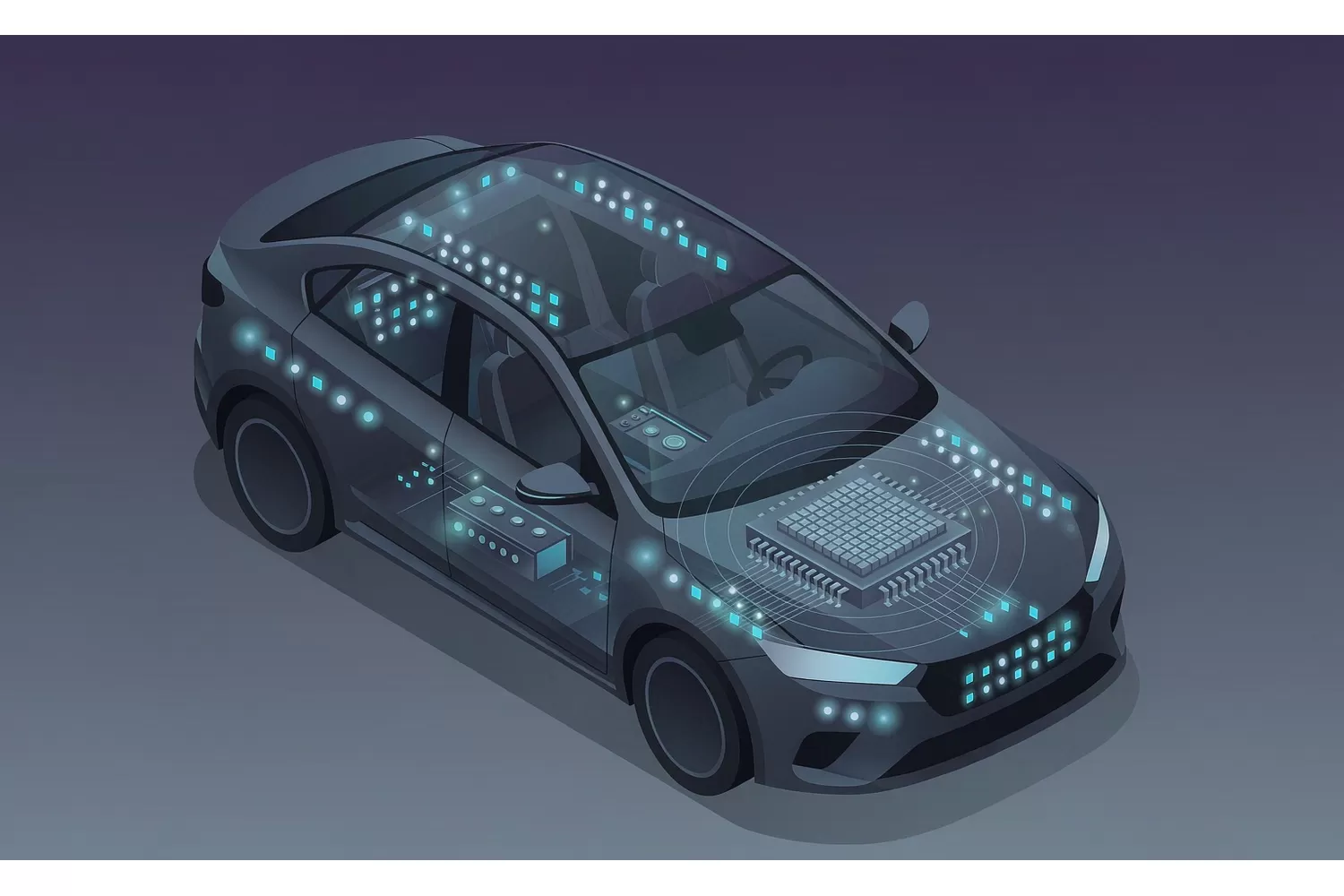
Automotive electronics - body controllers, cabin modules, sensors - are conservative by nature. The parts must survive temperature extremes, the platform must stay in production for years, and a field failure is expensive. AT32's portfolio, anchored by the A4 automotive family and backed by the industrial-grade F4 parts, is a credible option for these nodes provided it is qualified properly.

AT32 in the automotive context
- Automotive-grade family. The AT32A423 and AT32A403A are positioned for extended-temperature and automotive-focused use.
- Industrial-grade mainstream. The AT32F435 and similar F4 parts serve the industrial applications that share automotive-like environmental demands.
- Bus peripherals. CAN and LIN capable devices can act as node controllers, with the transceiver and network timing validated on the bench.
Qualification checklist for automotive
| Item | Action | Why |
|---|---|---|
| Temperature grade | Confirm range vs product spec | Cabin/under-hood extremes |
| Longevity | Check roadmap, keep alternate qualified | Decade-long production |
| Lot record | CoC + date code per lot | Traceability for field returns |
| Bench validation | Sample across temperature | Catch drift before volume |
Sourcing note
We are an independent distributor and not an authorised distributor or representative of Artery; we state this plainly because warranty and traceability work differently for independent supply. What we provide is availability, inspection options and honest documentation for the AT32A423, AT32A403A and AT32F435. Send your requirement via the MCU range and we will quote with date codes.
Frequently asked questions
Does AT32 offer automotive-grade parts?
Yes. Artery's A4 family, such as the AT32A403A and AT32A423, is positioned for automotive and extended-temperature applications, and the broader F4 family is used in industrial designs that share similar environmental demands. Always confirm the specific grade and temperature range against the datasheet for your application.
What automotive buses should I plan for?
Body and cabin electronics typically rely on CAN and LIN. AT32 devices with the relevant peripherals can act as node controllers; you still need the transceiver, the correct baud rate and the network timing validated on the bench.
How do I qualify an AT32 for an automotive build?
Treat it like any safety- or longevity-sensitive part: request the grade and temperature rating, keep a per-lot record, start with samples, and validate the device across the temperature range your product must survive. Longevity of supply matters as much as the part itself for a platform meant to ship for years.
Why does supply longevity matter as much as the spec?
An automotive or industrial platform may be in production for a decade. A part that is perfect today but discontinued tomorrow forces a redesign. Considering the vendor's roadmap and keeping alternate sources qualified is part of the engineering, not an afterthought.
About us & trademarks: JTDZ Tech (Shenzhen Jingteng Electronics Technology Co., Ltd.) is an independent distributor of electronic components. We are not an authorised distributor or representative of the manufacturers named in this article. Manufacturer and part names are used for indicative purposes only, to help identify the components discussed; all trademarks remain the property of their respective owners. Always verify specifications against the manufacturer's datasheet before design-in or purchase.
Recommended next steps
If you are sourcing any of the parts mentioned in this guide, we can help you confirm stock, pricing, and lead times quickly.
- Upload your BOM — send your full parts list and receive a consolidated quote within 2 business hours.
- Browse related in-stock lines: Power Management ICs · Microcontrollers / MCUs · Memory / Logic Devices.
- Contact our team for hard-to-find or end-of-life components.
